Plumbing guide
Why Your Drain Keeps Clogging, and How to Actually Fix It
Anyone can clear a clog once. The frustrating drains are the ones that back up again a few weeks later, no matter how many times you plunge them or pour something down. A recurring clog is not bad luck. It is a clue, and reading it correctly is how you stop it for good.
A one-time clog and a recurring clog are different problems
It helps to separate two situations. A single clog, a toy down the toilet, a hairball in the shower drain, is a mechanical blockage in one spot, and clearing it solves it. A recurring clog is different: the drain clears, works for a while, then slows again. That pattern means the blockage is reforming, which almost always means something is coating or narrowing the pipe rather than sitting in it. Treating a recurring clog like a one-time clog, plunging it and moving on, is why it keeps coming back.
The distinction matters because the fixes are different. A one-time clog needs clearing. A recurring clog needs the cause found and removed, which is what proper drain cleaning is really about, diagnosing why the line keeps closing rather than just reopening it.
The usual suspects behind a recurring clog
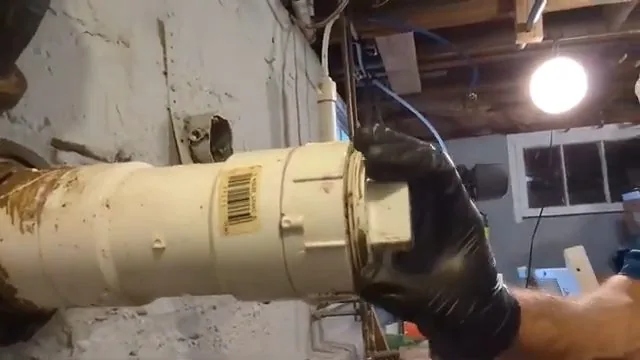
A handful of causes account for most repeat clogs. In a kitchen line, it is almost always grease, which pours in as a liquid, cools, and coats the pipe wall, narrowing it a little more each time until it closes. In a bathroom, hair and soap scum build into a mass that catches everything. In an older home's main line, tree roots work in through joints and cracks and rebuild after every clearing. And in any older pipe, mineral scale from hard water slowly narrows the passage. Each of these reforms after a simple clearing because the underlying buildup is still there.
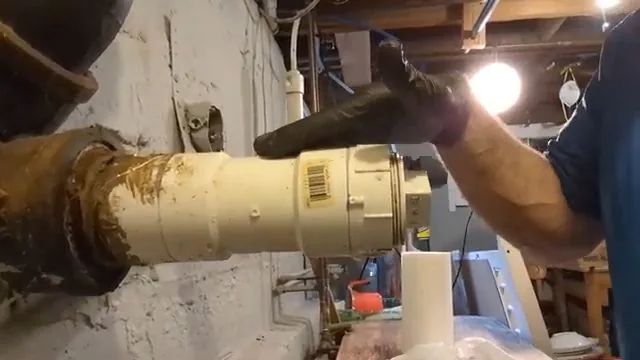
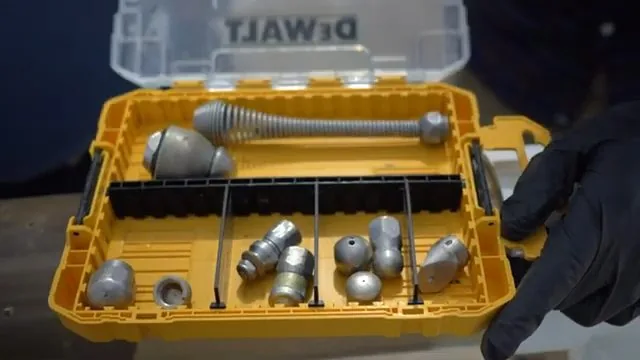
Knowing which one you have changes the fix. Grease and scale call for scouring the pipe wall clean. Roots call for clearing plus addressing the entry point. Hair calls for better habits and the occasional proper cleaning. The wrong fix, or the same quick fix over and over, is why the clog keeps returning.
Why chemical drain cleaners make it worse
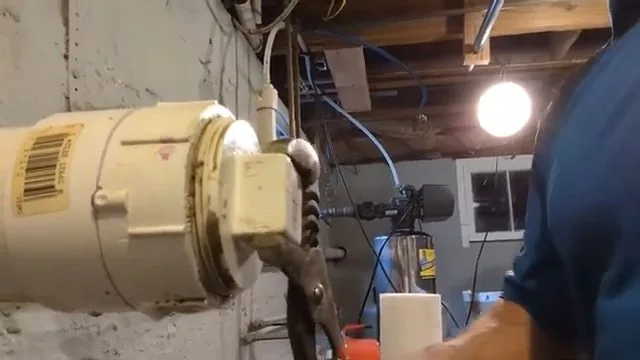
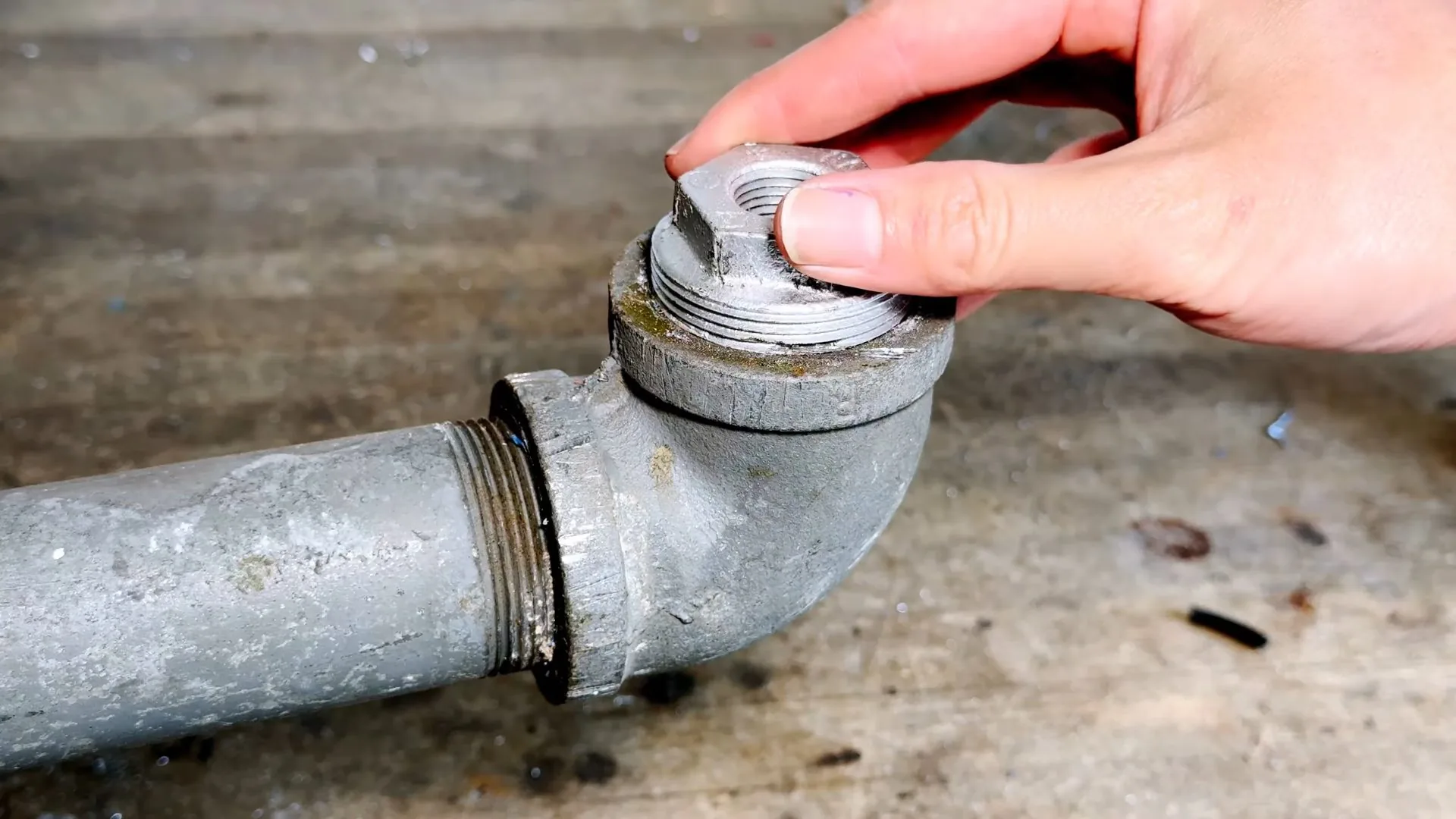
The bottle of caustic drain cleaner under the sink is tempting and, for a recurring clog, usually a mistake. The chemistry can eat through a soft clog, but it also sits against the pipe and, in the older cast iron and galvanized lines common in this area's established neighborhoods, accelerates the corrosion that is already thinning the pipe. Repeated use can turn a clogged pipe into a leaking one. It also rarely removes the full buildup, so the clog returns and the cycle continues, now with a more damaged pipe. Mechanical clearing removes the blockage without attacking the pipe.
If this sounds like what is happening at your place, call and describe it.
| Where | Likely cause | Real fix |
|---|---|---|
| Kitchen sink | Grease coating the pipe | Scour the line, change habits |
| Shower or tub | Hair and soap scum | Proper cleaning, drain screen |
| Whole-house backup | Roots or main line issue | Camera the line, clear the cause |
| Any older pipe | Mineral scale | Assess and clean, consider the pipe |
When to camera the line
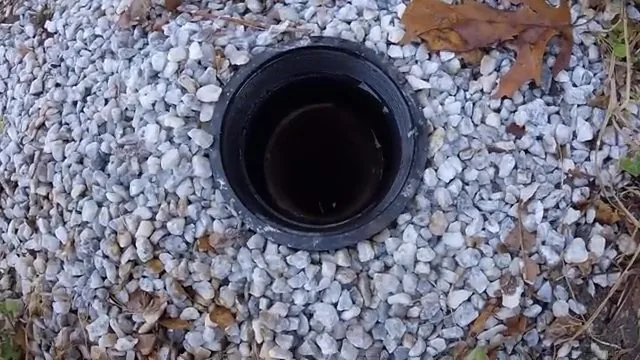
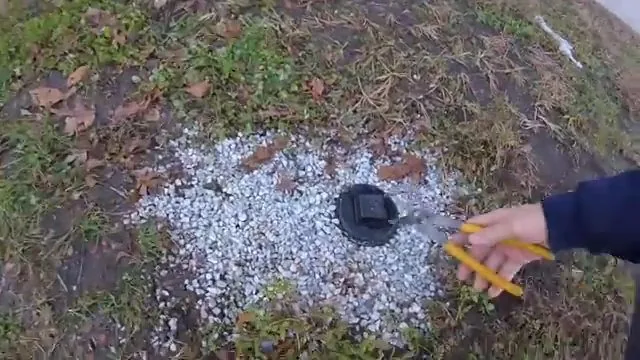
If a drain keeps backing up despite repeated clearing, the smart move is to look inside it with a camera rather than clear it a fourth time. A camera run shows exactly what is happening: grease coating, roots at a joint, a bellied section holding water, or a crack. That turns guesswork into a diagnosis, and it prevents two expensive mistakes, paying for cleaning that was never going to hold on a broken pipe, or paying for a repair a cleaning would have fixed. If the camera shows a genuine break or collapse, that is a sewer line repair question rather than a cleaning one.
Jetting: when scouring is the answer
For the recurring clogs caused by grease, scale, or roots, the tool that actually fixes the cause is hydro jetting, which scours the full inside of the pipe back to bare wall rather than punching a hole through the blockage the way a cable does. That is the difference between a drain that stays clear for years and one that closes again in weeks. Jetting is not the right tool for every clog, and it should only be aimed at pipe sound enough to take the pressure, which is why the camera comes first, but for a line that keeps clogging because it is coated, it is often the thing that finally ends the cycle. Our hydro jetting page explains when it fits and when it does not.
Questions
Drain Cleaning: quick answers
Why does my drain keep clogging after I clear it?
Because the clearing only removed the blockage, not its cause. A recurring clog means something is coating or narrowing the pipe, usually grease in a kitchen line, hair and soap in a bathroom, roots in an older main line, or mineral scale. A plunger or cable reopens the passage but leaves the buildup, so it closes again. Stopping the cycle means removing the underlying buildup, not just reopening the drain.
Are chemical drain cleaners bad for my pipes?
For recurring clogs and older pipe, generally yes. The caustic chemistry can clear a soft clog but also sits against the pipe, accelerating corrosion in the older cast iron and galvanized lines common in established local neighborhoods. Repeated use can turn a clogged pipe into a leaking one, and it rarely removes the full buildup, so the clog returns. Mechanical clearing removes the blockage without attacking the pipe.
When should a drain be inspected with a camera?
When it keeps backing up despite repeated clearing. Rather than clearing it yet again, a camera shows exactly what is inside, grease, roots, a bellied section, or a crack, which turns guesswork into a diagnosis. It prevents paying for cleaning that will not hold on a broken pipe, or for a repair that a cleaning would have solved. Any drain with a stubborn, repeating clog is a candidate.
What is the difference between snaking and hydro jetting?
A snake punches an opening through the clog, which gets water moving again but leaves the coating on the pipe wall untouched, which is why a snaked line tends to close back up. Jetting sends high-pressure water around the whole interior of the pipe, stripping grease, scale and roots off the wall. Snaking is fine for a one-off clog; jetting addresses the recurring clogs caused by buildup coating the whole pipe.
Have a drain cleaning problem in Manassas right now?
Skip the reading and talk it through. You will reach a plumber, not a form.