HIDDEN LEAKS
Leak Detection in Manassas, VA
A leak you cannot see is still soaking framing and running the meter. We locate hidden supply leaks behind walls, under slabs and in the yard without opening the whole house to find them.
When to call right away
- The water bill jumped with no change in use
- A warm spot on a floor or a running sound in a wall
- The meter moves with every fixture off
- Low pressure that came on gradually
Finding the leak is most of the job
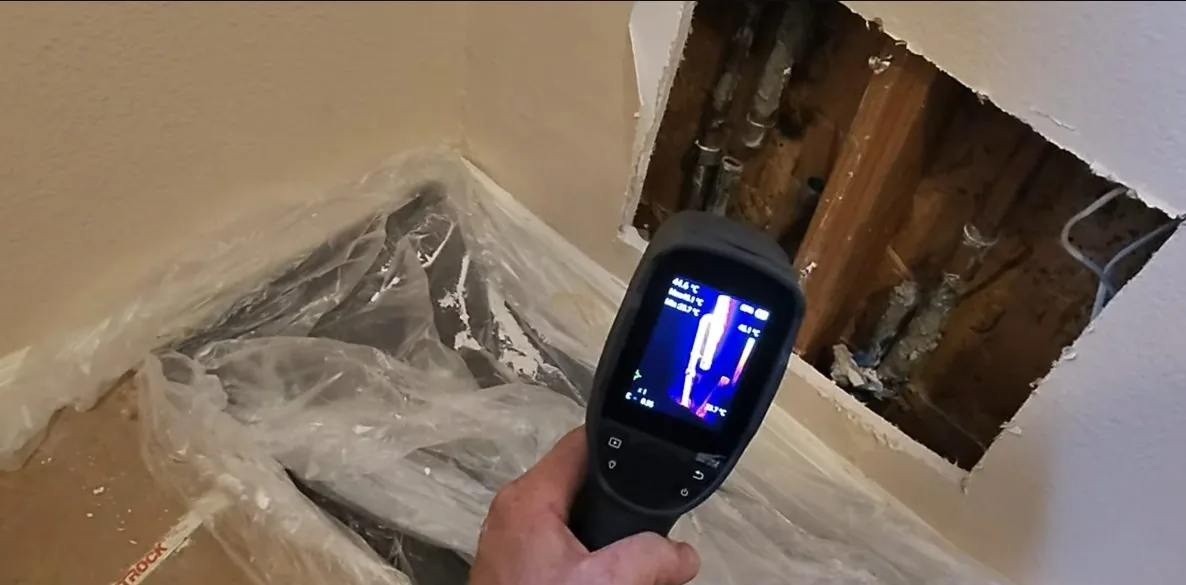
By the time a hidden leak shows itself as a stain or a spike on the bill, it has usually been running for weeks. The skill is finding exactly where the water is escaping before opening anything, so the repair is a small cut in one place rather than exploratory demolition across a room. That is the difference between a located leak and a guessed one.
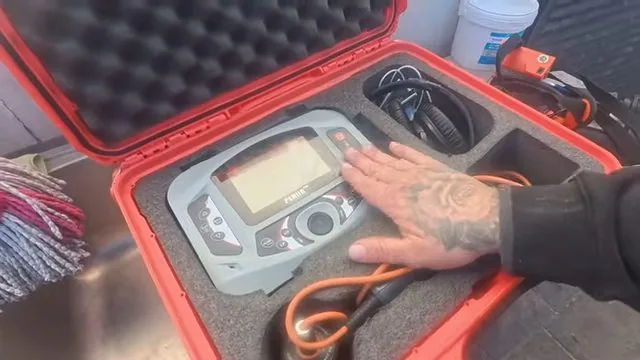
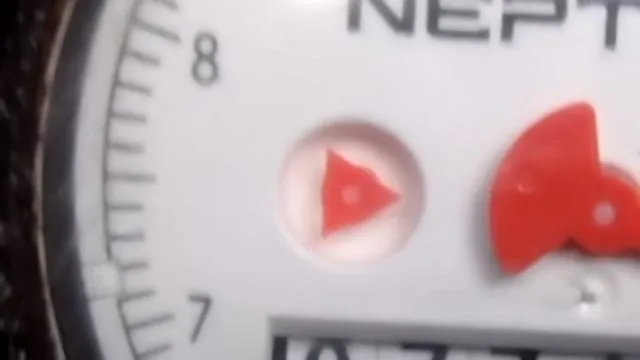
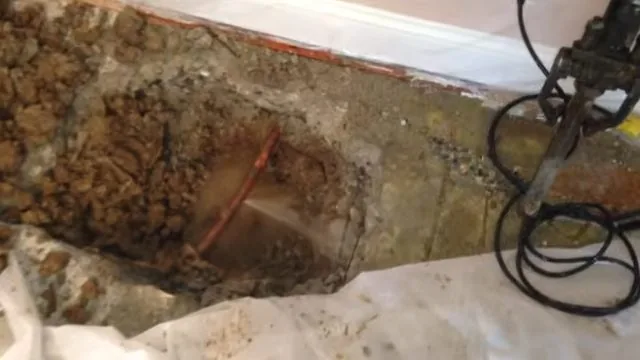
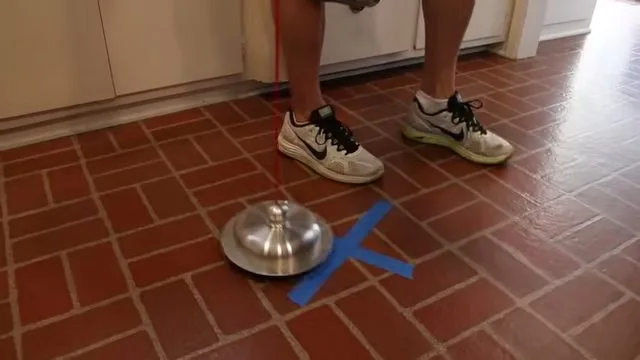
The first test is the simplest. Shut every fixture, read the meter, wait fifteen minutes, and read again. Any movement means water is leaving the system somewhere. From there, acoustic listening equipment picks up the sound of water escaping a pressurized line, and comparing pressure across zones narrows it to a run. Where the leak sits under concrete, the same tools point to it before a single tile comes up, which is where our slab leak detection and repair takes over.
What tends to leak in Manassas homes
Two patterns account for most of what we find. In homes from the 1980s building wave, the culprit is often polybutylene supply pipe, a gray plastic line that grows brittle with age and weeps or splits at its fittings. In older postwar houses it is more likely galvanized steel corroding from the inside. Both are supply-side, both hide inside walls, and both are the reason a whole-home repiping sometimes makes more sense than chasing one leak after another.
Outside the house, a leak on the service line between the meter and the foundation shows up as a soggy patch in the yard or an unexplained bill with nothing wet indoors. Those get located along the run so the dig is targeted rather than a trench across the whole lawn.
| Location | How it shows | Common cause |
|---|---|---|
| Behind a wall | Stain, warm spot, running sound | Pinhole or fitting failure |
| Under a slab | Warm floor, high bill, no visible water | Corroded or shifted supply line |
| In the yard | Soggy patch, pressure drop | Service line leak |
| At a fixture | Cabinet moisture, meter creep | Failed seal or valve |
Not sure if this can wait? A quick call gets you a straight answer.
Catching a leak early is also what keeps a small repair from becoming a restoration project. A supply line that soaks a wall cavity for a month is how a water damage restoration call starts, so the cheapest version of this problem is the one found while it is still just a number on the bill.
Finding it without tearing the house apart
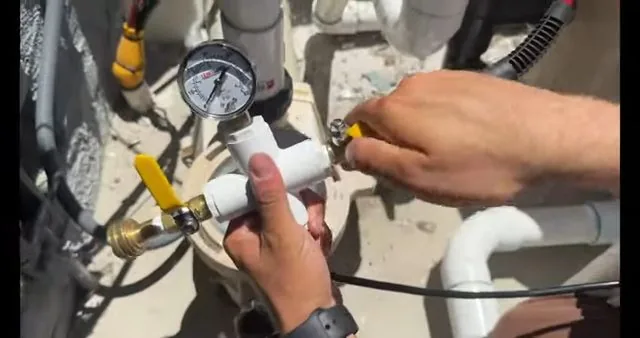
The point of proper leak detection is to open one small area rather than a wall at a time guessing. Acoustic listening equipment, pressure isolation and, where a slab is involved, tracer methods let us narrow a hidden leak to a specific spot before any drywall or concrete is touched. That precision is what separates a targeted repair from an expensive exploratory demolition, and it matters most in the finished basements and slab-on-grade sections common in this area. Once the leak is pinned down, the fix is often small; it is the finding that used to be the hard part, and that is exactly the part the right tools solve.
Is this a leak that can't wait?
A slow drip behind a wall can usually sit on a schedule for a few days without real risk. A leak that is dropping the water pressure across the house, showing up as a spreading ceiling stain, or running the meter even with everything shut off is a different story and worth a same-day call.
If you can hear running water with every fixture off, or a warm spot on the floor is getting bigger by the hour, shut off the main if you know where it is and call. Acting within the first day is usually what keeps a supply leak from turning into a drywall and flooring job.
Questions
Leak Detection: common questions
How do I know I have a hidden leak and not just a high bill?
Run the meter test. Turn off every water-using fixture and appliance, note the meter reading, wait about fifteen minutes with nothing running, and read it again. If the numbers changed, water is escaping somewhere in the system. A steady creep with everything off is the clearest sign that the leak is real and not just heavier use that month.
Can you find a leak without tearing up my walls or floor?
That is the point of leak detection. Acoustic equipment and pressure testing locate the leak first, so any opening is a small targeted cut at the leak itself rather than exploratory demolition. On slab leaks the location is pinpointed before concrete is touched, which keeps the repair contained.
Is a slab leak worth locating or should I just reroute the line?
It depends on the pipe and the house. A single isolated leak in otherwise sound pipe is usually worth a spot repair once it is located. If the line is polybutylene or corroded galvanized and this is not the first leak, rerouting that run or repiping is often the better spend. We locate it first, then lay out both options with the trade-offs.
Need a plumber in Manassas for leak detection?
Call and describe what is happening. You will reach a plumber, not a form.